
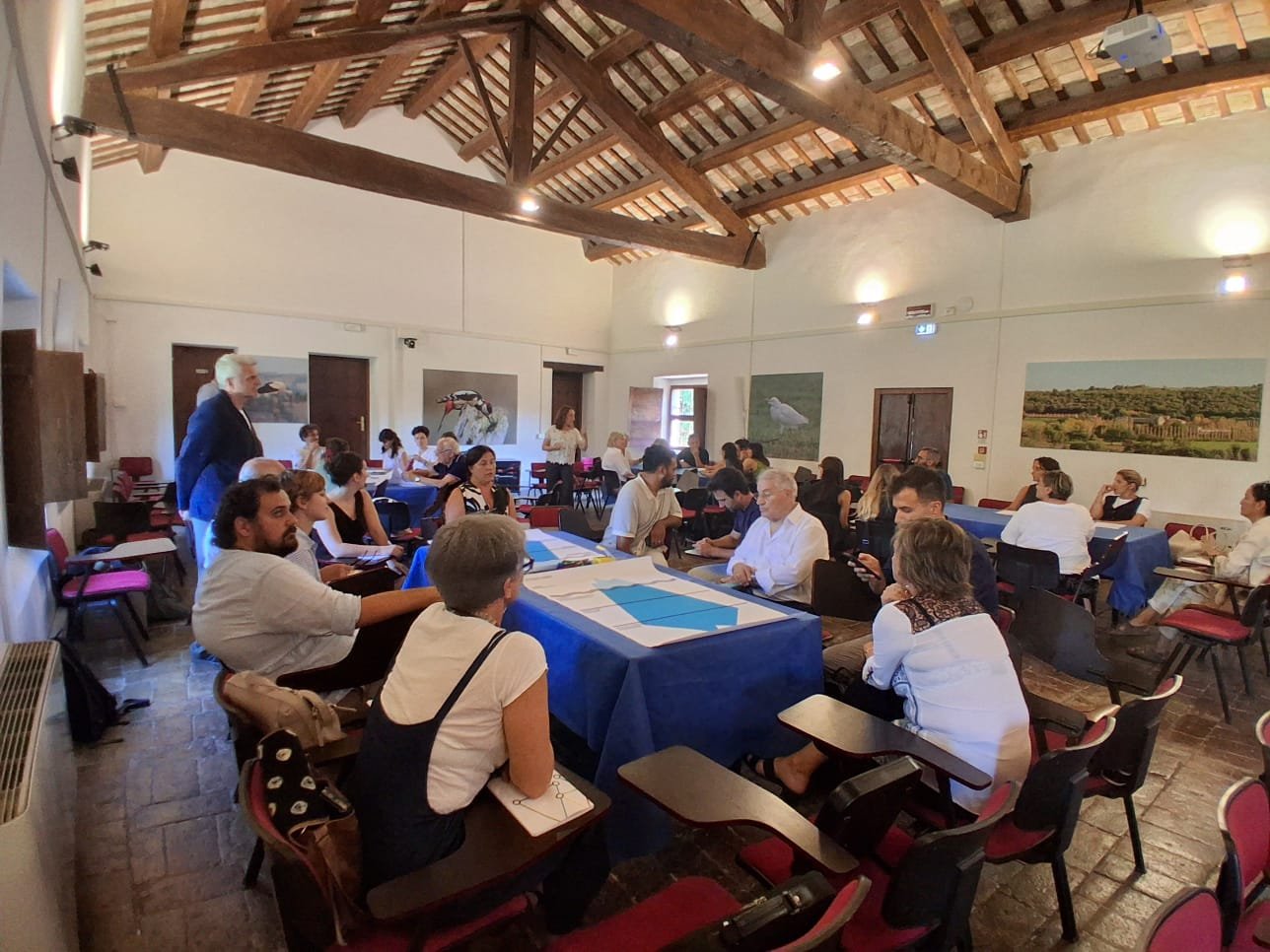
From Dialogue to Co-Design: CIVICLab Advances University–Community Collaboration at UNICAM
How can universities become long-term partners in addressing societal challenges? This question guided "UNICAM Territorio Condiviso", the co-design workshop organised by the University of Camerino on 29 June 2026 within the CIVICLab initiative.
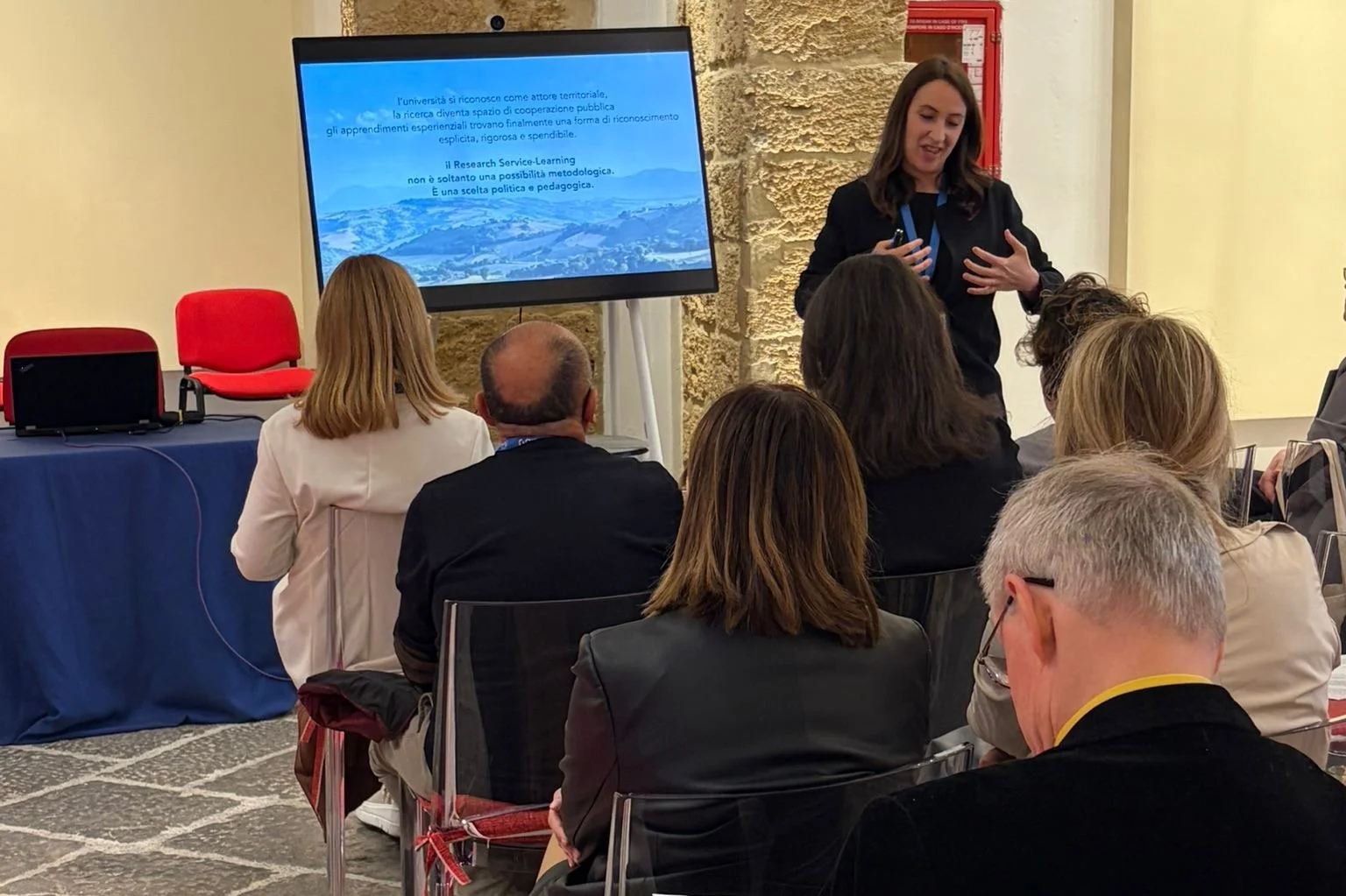
Universities, Citizens and Collaborative Research: EPiCS Presented at the University of Palermo
On Wednesday, 15 April, the University of Palermo hosted the seminar "Università, cittadini e ricerca collaborativa: la piattaforma EPiCS per il co-design di esperienze di Research Service-Learning".
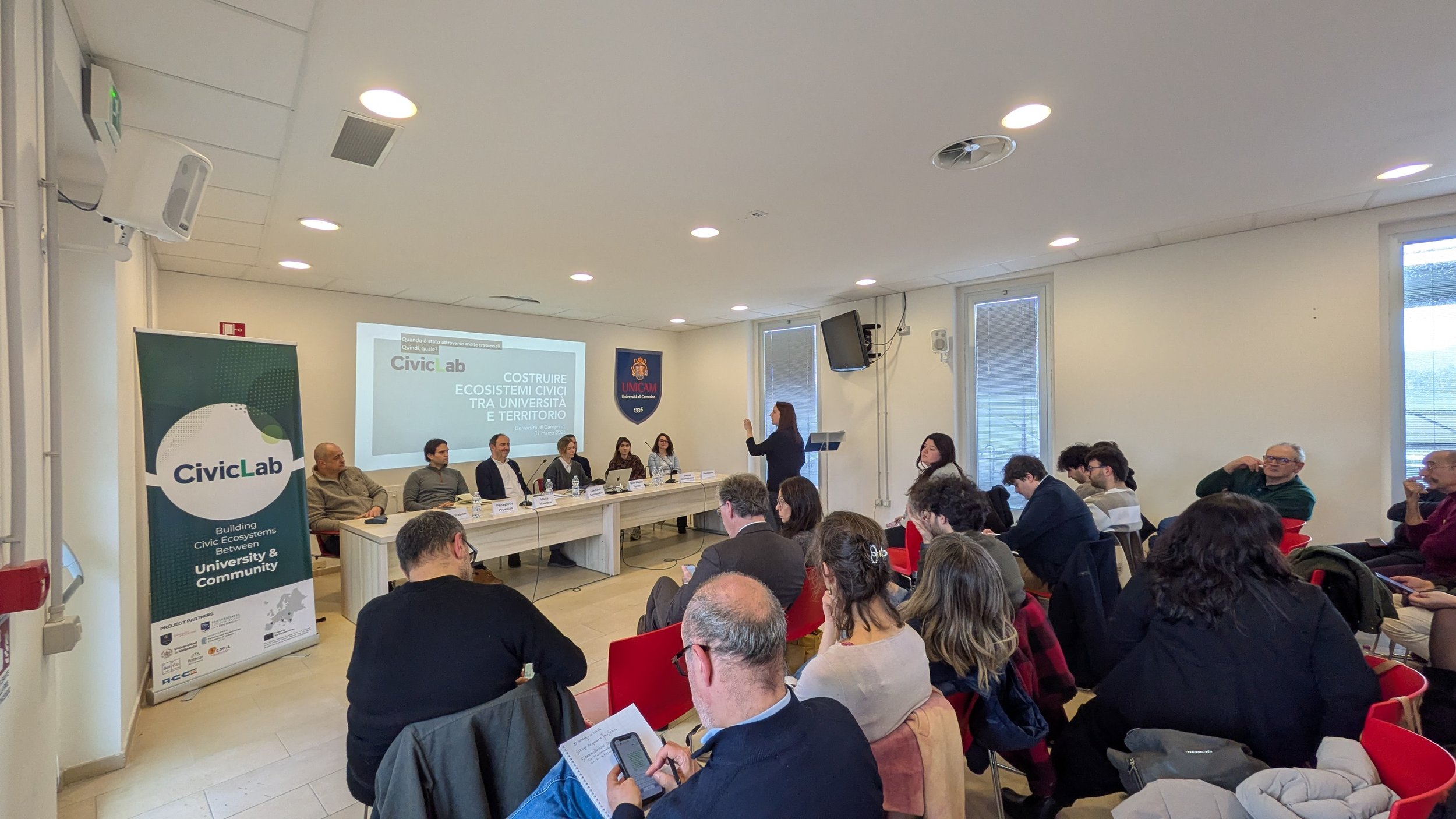
Building Civic Ecosystems: CIVICLab Brings Universities, Communities and Public Institutions Together
On 31 March 2026, more than 80 participants gathered at the Carlo Urbani School of Advanced Studies in Camerino for CIVICLab – Building Civic Ecosystems between University and Territory.
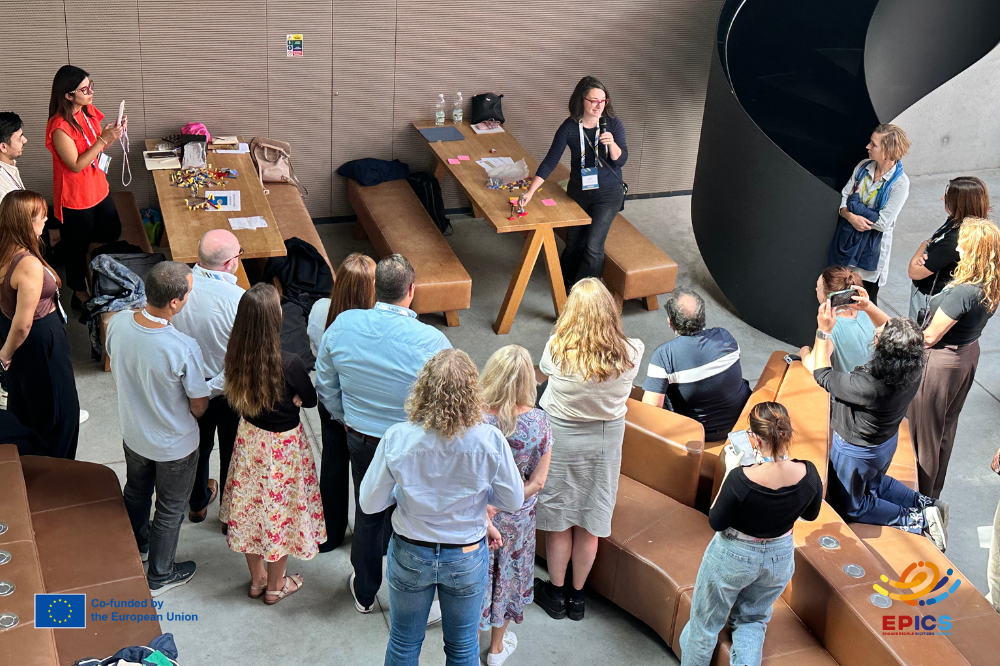
How EPiCS Connects Citizen Science, Service Learning and the Third Mission of Universities
Universities are increasingly called to create societal impact beyond teaching and research. The EPiCS project responds to this challenge by connecting Citizen Science, Service-Learning, and the Third Mission of Universities into a single framework for community engagement.

EPiCS Strengthens International Collaboration at the 2025 ACEEU Forum in Prague
EPiCS partners joined global experts to advance citizen science, research service-learning, and international collaboration, strengthening the project’s impact across Europe and beyond.

Interview with partner organisation: Lucian Blaga University of Sibiu
“Sustained engagement with local communities requires trust-building over time, not just one-time participation,” the ULBS team highlights during the interview.

Interview with partner organisation: Chaperone Successful civic and participatory initiatives depend on researchers’ preparedness and mindset.
Chaperone’s mission is to empower scientists and research professionals to build meaningful, sustainable, and impactful careers both within and beyond academia.

Limitations and Opportunities in Citizen Science: Strengthening Its Democratic Potential
Citizen Science empowers communities to co-create knowledge, but faces challenges of inclusivity, ethics, and policy impact. EPICS strengthens its democratic potential by linking research to real-world needs and civic participation.

Deliberative Democracy and Service-Learning: Building Informed Communities
EPICS connects research, dialogue, and community action, empowering students and citizens to co-create solutions and shape their futures.

Student Development Through Service
Through Research Service-Learning, EPICS empowers students to grow from learners into changemakers, fostering skills, empathy, and civic engagement.

Service-Learning – When Education Meets Civic Engagement
Service-Learning (SL) transforms education by integrating academic learning with real-world community engagement. This approach allows students to apply their knowledge while addressing pressing societal issues.

Citizen Science – Engaging Communities in Research and Action
Citizen Science is an approach that actively involves non-researchers in scientific research. Within the EPICS framework, Citizen Science plays a crucial role in bridging the gap between research and civic engagement.

EPICS – Engaging Communities Through Collaborative Research
EPICS is an innovative initiative that connects higher education institutions, students, researchers, and local communities. By integrating Citizen Science and Service-Learning, EPICS fosters sustainable partnerships that address real-world challenges through research-based solutions.

New EU Project EPiCS launches to create bridges between science and society
A Pan-European Initiative Blending Citizen Science with Research Service-Learning to Tackle Societal Challenges